
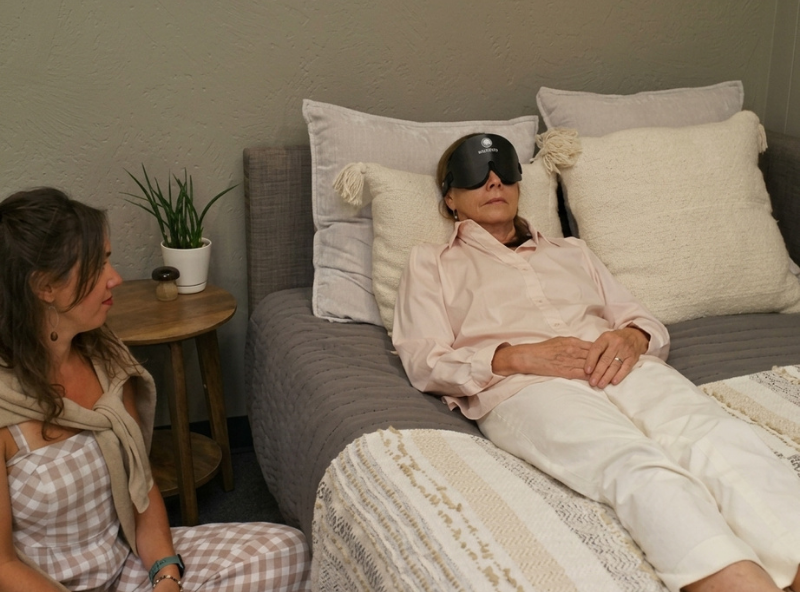
As public understanding of mental health evolves, interest in non-traditional healing modalities has grown exponentially. For individuals seeking profound emotional breakthroughs, stress relief, or personal transformation, finding guided psychedelic therapy in a safe, legal, and professional environment is a top priority. While interest historically centered around the recreational use of magic mushrooms, modern scientific research has reframed psilocybin as a powerful tool for structured personal growth when paired with professional facilitation.
However, because laws and regulations vary significantly by region, knowing where and how to access these services can feel overwhelming. Today, options range from legal state-regulated programs in the United States to international psilocybin retreats and clinical research trials.
The evolution of psychedelic care: From underground to regulated settings
For decades, individuals interested in exploring psilocybin had few options outside of underground networks or unregulated international destinations. While underground settings can provide compassionate support, they lack standardized safety protocols, product testing, and professional regulatory accountability.
The landscape shifted dramatically in recent years. Landmark clinical research from institutions like Johns Hopkins University and Imperial College London demonstrated the safety and efficacy of psilocybin-assisted therapy when conducted in controlled, supportive environments. This clinical evidence paved the way for legislative reform, creating legal frameworks where clients can access services with full legal protection, guaranteed product purity, and vetted facilitators.
Primary venues for guided psychedelic therapy
When evaluating where to experience a guided journey, four main pathways exist, each with distinct legal, logistical, and safety characteristics:
1. State-regulated service centers (The Oregon benchmark)
Oregon became the first U.S. state to establish a legal framework for psilocybin services through Measure 109. Under this model, adults 21 and older can receive guided care inside state-licensed service centers without needing a medical prescription or formal psychiatric diagnosis. Oregon’s framework represents the gold standard for domestic care, offering rigorous facilitator training, third-party laboratory product testing, and state oversight.
2. International psilocybin retreats
In countries where psilocybin or psilocybin-containing truffles are legal or tolerated—such as Jamaica or the Netherlands—psilocybin retreats cater to international travelers. These retreats often combine group wellness activities, resort-style amenities, and guided group sessions. While appealing for resort-like settings, international travelers should carefully research local regulatory standards, emergency infrastructure, and facilitator qualifications, as consumer protections vary widely by country.
3. Clinical research trials
Medical universities and research organizations across North America and Europe regularly recruit participants for clinical trials studying psilocybin for depression, anxiety, PTSD, and addiction. Participating in a trial provides high-level medical oversight and structured care, though admission criteria are strict, and participants may be randomized into control groups.
4. Unregulated or underground settings
Although underground guides still operate in many areas, accessing care outside a legal framework carries inherent risks. Unregulated settings lack product potency verification, standardized screening procedures, and ethical board oversight, making legal, state-sanctioned centers the preferred choice for safety-conscious individuals.
You might be interested in: What should I look for in a safe and supportive psilocybin retreat environment?
Key criteria for selecting a safe provider
Choosing where to undergo your journey involves more than simply picking a location on a map. To ensure a therapeutic, supportive, and safe experience, evaluate potential centers based on the following key criteria:
- Professional facilitator licensing: Ensure that guides hold legitimate, state-recognized licenses or certified credentials. At Omnia Group Ashland, our team of licensed facilitators undergoes rigorous training in trauma-informed care, harm reduction, and ethical practices.
- Comprehensive screening and preparation: A reputable service center will never host a session without thorough intake. Screening ensures that psilocybin is medically safe for you and that potential medication interactions are evaluated.
- Personalized care vs. high-volume groups: Large group retreats don’t suit everyone. Selecting centered offerings like individual journeys guarantees one-on-one attention tailored to your personal history and emotional goals.
- Transparent values and philosophy: Learn about the facility’s background, mission, and setting. To understand our philosophy on grounded, trauma-informed support, feel free to read more about us and our approach to community wellness in Southern Oregon.
The structure of guided care
Regardless of where you choose to receive care, legitimate guided sessions follow a structured three-phase model designed to protect your physical and emotional well-being:
- Preparation phase: Building trust with your facilitator, setting personal intentions, discussing health history, and learning somatic grounding techniques.
- Administration phase: Consuming a precisely measured dose of lab-tested psilocybin in a comfortable, quiet space while your facilitator maintains a supportive, non-intrusive presence.
- Integration phase: Meeting post-session to process insights, ground emotional realizations, and translate your experience into meaningful daily life changes.
Frequently Asked Questions
Is guided psychedelic therapy legal throughout the United States?
No. Federal law still classifies psilocybin as a Schedule I substance. However, individual states like Oregon have created state-regulated legal frameworks (Measure 109) where adults 21 and older can access psilocybin services legally within licensed centers.
Do I need a doctor’s referral to attend a psilocybin retreat in Oregon?
No medical referral or formal psychiatric diagnosis is required under Oregon law. However, all clients must complete a mandatory health and safety intake screening with a licensed facilitator prior to booking an administration session.
What is the difference between recreational magic mushrooms and guided psilocybin-assisted therapy?
Recreational use often involves unmeasured dosages, unpredictable settings, and lack of professional oversight. Guided psilocybin-assisted therapy uses lab-tested, precisely measured psilocybin in a safe, quiet environment, supported by trained facilitators before, during, and after the experience.
How long does a typical guided session last?
An administration session typically lasts between 6 to 8 hours. When combined with preparation and integration meetings, the full therapeutic process spans several days or weeks.
Finding the right place for your healing journey requires balancing legal safety, facilitator expertise, and environment. Oregon’s state-regulated model offers an unparalleled standard of care for those seeking professional, legal, and transformative psilocybin experiences.
If you are ready to take the next step or have questions about receiving care in Ashland, Oregon, we are here to support you. Please talk with us to schedule a private, confidential consultation with our team