
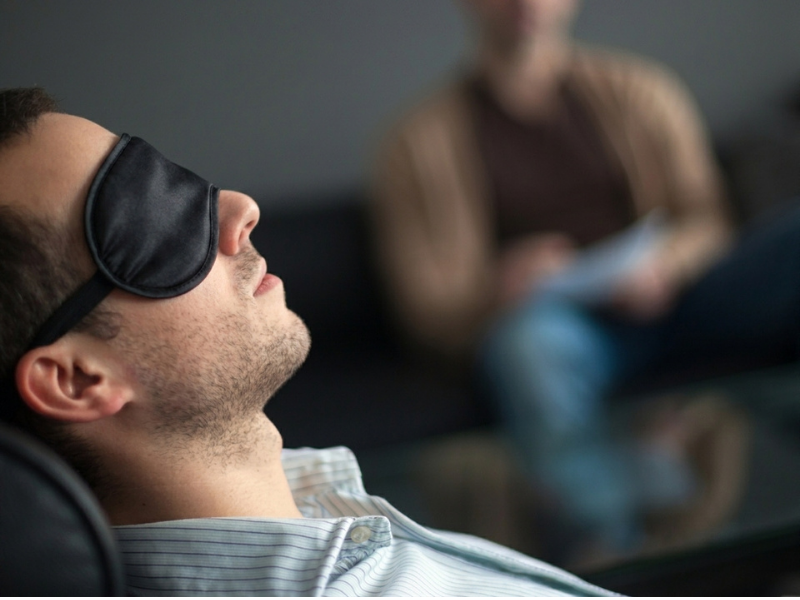
The evolution of modern psychedelic therapy from fringe exploration to a respected field of psychiatric science represents one of the most remarkable shifts in modern healthcare. Far from being a recent discovery, the structured use of mind-altering compounds for emotional resolution is built on decades of clinical research, cross-cultural exchange, ethnobotanical exploration, and dedicated advocacy. Understanding who laid the groundwork for contemporary practices helps contextualize how legal, safe, and trauma-informed care is delivered today.
Behind the resurgence of psychedelic-assisted care is a rich lineage of chemists, psychiatrists, Indigenous healers, ethnobotanists, and neuroscientists. Together, their contributions transformed sacred plant traditions and laboratory discoveries into rigorous, evidence-based therapeutic models.
Mid-century foundations
The scientific exploration of psychedelics began in Western medicine during the mid-20th century. Early researchers sought to understand how these compounds altered perception and whether they could accelerate traditional psychoanalysis.
1. Albert Hofmann and Laboratory Synthesis
In 1938, Swiss chemist Albert Hofmann first synthesized lysergic acid diethylamide (LSD) while working at Sandoz Laboratories. Five years later, he accidentally discovered its profound psychoactive properties. Hofmann’s work extended beyond LSD; in 1958, he became the first scientist to isolate and synthesize psilocybin and psilocin from Psilocybe mushrooms. His precise laboratory isolations allowed medical researchers to study exact doses under controlled conditions for the first time.
2. Humphry Osmond and the birth of a term
In the 1950s, British psychiatrist Humphry Osmond conducted groundbreaking work treating severe alcoholism with LSD at Saskatchewan Hospital in Canada. Osmond observed that supportive environments yielded far better psychological outcomes than confrontational ones. In 1956, during a correspondence with author Aldous Huxley, Osmond coined the word “psychedelic”—derived from Greek words meaning “mind-manifesting”—to describe compounds that reveal hidden aspects of human consciousness.
3. Stanislav Grof and therapeutic frameworks
Czech psychiatrist Dr. Stanislav Grof conducted thousands of clinical sessions in the 1960s, documenting the emotional and symbolic terrain of non-ordinary states. Grof developed detailed frameworks for understanding how deep emotional material surfaces during sessions. His insights into set, setting, and non-directive facilitation remain fundamental pillars of modern facilitator training programs.
4. María Sabina and ancestral lineages
It is impossible to discuss modern psilocybin research without acknowledging the Mazatec curandera María Sabina. Living in Huautla de Jiménez, Mexico, Sabina preserved sacred mushroom ceremonies (veladas) passed down through generations.
In 1955, American researcher R. Gordon Wasson participated in a ceremony led by Sabina and published his experience in Life magazine. While Wasson introduced sacred mushrooms to Western popular culture, Sabina’s ancestral wisdom established the essential link between plant medicine, respect, and emotional healing.
Ethnobotany and cultural access: The McKenna brothers
While psychiatrists worked in clinical settings, ethnobotanists helped demystify plant medicine and broaden cultural understanding during a period when official scientific research was heavily restricted. Among the most influential figures of this era were brothers Terence and Dennis McKenna.
- Terence McKenna: An ethnobotanist, author, and captivating orator, Terence became a leading voice in exploring human consciousness, shamanism, and plant-based medicines. His deep fascination with sacred plants led him to travel extensively across the Amazon basin. Through his books and lectures, Terence encouraged a respectful, inquisitive approach to altered states, proposing theories regarding the role of natural compounds in human cognitive evolution.
- Dennis McKenna: While Terence focused on philosophy and cultural commentary, Dennis pursued a rigorous academic and scientific path. As an ethnopharmacologist and research scientist, Dr. Dennis McKenna conducted foundational scientific studies on Amazonian botany, psychoactive plants, and natural chemistry. He co-founded the McKenna Academy of Natural Philosophy and authored numerous peer-reviewed papers evaluating the therapeutic potential of botanical medicines.
- A Landmark cultivation guide: In 1976, writing under pseudonyms, Terence and Dennis co-authored “Psilocybin: Magic Mushroom Grower’s Guide.” This book developed a reliable, hygienic technique for cultivating psilocybin mushrooms at home using readily available materials. By democratizing access to the spores and cultivation knowledge, the McKenna brothers ensured that academic researchers, thinkers, and seekers could continue studying the compound during decades of federal prohibition.
You might be interested in: Unlocking the benefits of psilocybin mushrooms: A guide
Science and advocacy
Political shifts in the 1970s led to the Controlled Substances Act, halting most clinical research worldwide. However, a dedicated group of scientists, philanthropists, and advocates kept the research alive until a formal renaissance emerged in the early 2000s.
Historical milestones that shaped this era include:
- 1956: Humphry Osmond coins the term “psychedelic.”
- 1958: Albert Hofmann isolates psilocybin from Psilocybe mushrooms.
- 1976: Terence and Dennis McKenna publish their landmark cultivation guide.
- 1986: Rick Doblin founds MAPS to fund clinical trials.
- 2006: Roland Griffiths publishes his landmark Johns Hopkins psilocybin study.
- 2016: Robin Carhart-Harris maps Default Mode Network (DMN) activity using neuroimaging.
1. Roland Griffiths and Johns Hopkins University
The late Dr. Roland Griffiths, a professor of psychiatry and neuroscience at Johns Hopkins University School of Medicine, played a monumental role in reviving scientific credibility. In 2006, Griffiths published a double-blind, peer-reviewed landmark study demonstrating that psilocybin could occasion personally meaningful and spiritually significant experiences in healthy volunteers, with lasting positive shifts in attitude and well-being. This study reopened the doors for FDA-approved clinical trials across major universities.
2. Rick Doblin and legal advocacy
In 1986, Rick Doblin founded the Multidisciplinary Association for Psychedelic Studies (MAPS). Over nearly four decades, Doblin raised millions of dollars to fund rigorous, non-profit clinical trials. His tireless advocacy demonstrated that psychedelics could be studied safely within federal regulatory frameworks, helping pave the way for state-level legal policy reforms.
3. Robin Carhart-Harris and neuroimaging
Dr. Robin Carhart-Harris, working at Imperial College London and later UCSF, introduced modern neuroimaging into the field. Using functional Magnetic Resonance Imaging (fMRI), Carhart-Harris mapped the biological effects of psilocybin on the human brain. His research revealed how psilocybin downregulates the Default Mode Network (DMN), providing a clear neuroscientific explanation for why participants experience cognitive flexibility, ego dissolution, and relief from rigid thought patterns.
Bridging history into Oregon’s legal framework
The historical contributions of mid-century pioneers, ethnobotanists like the McKenna brothers, and modern clinical scientists directly shaped Oregon Measure 109. Passed by voters in 2020, Measure 109 created the first state-sanctioned, legal framework for psilocybin services in the United States.
Rather than treating psilocybin as a daily pharmaceutical medication, Oregon’s model honors the principles developed over decades of clinical research and ethnobotanical study:
- Trauma-informed facilitation: Oregon requires all licensed facilitators to complete state-approved training programs covering ethics, non-directive support, and safety.
- Standardized product quality: Drawing on Hofmann’s legacy of precise dosing, Oregon law mandates laboratory testing to confirm product purity and exact milligram dosage.
- Holistic preparation and integration: Recognizing that the experience extends beyond the administration day, Oregon services emphasize thorough prep work and post-session integration.
At Omnia Group Ashland, our practice reflects this rich history. To learn more about us and our commitment to safety and ethics, explore our founding values and approach to client care.
Frequently Asked Questions
What was the contribution of Terence and Dennis McKenna to psilocybin research?
Terence and Dennis McKenna bridged ethnobotany, philosophy, and practical access. Dennis provided rigorous pharmacological research on natural compounds, while Terence brought public awareness to plant medicine. Together, their 1976 cultivation guide developed standardized home-growing techniques, keeping psilocybin accessible for personal and academic inquiry during prohibition.
Why is Roland Griffiths considered so pivotal to modern research?
Dr. Roland Griffiths applied gold-standard scientific methodology to psilocybin research at Johns Hopkins University. His 2006 study proved that non-ordinary states could be studied safely and reproducibly, convincing regulatory bodies like the FDA to approve subsequent clinical trials for depression, end-of-life anxiety, and addiction.
What role did Indigenous traditions play in shaping modern care?
Indigenous cultures, particularly in Mesoamerica, preserved and refined the ceremonial use of sacred mushrooms for centuries before Western science isolated psilocybin. Modern facilitation practices inherit core concepts from these traditions, including the importance of set, setting, intention, and reverent environmental design.
How does modern facilitation differ from 1960s psychedelic therapy?
While 1960s therapy laid important groundwork, modern state-regulated facilitation incorporates strict ethical standards, comprehensive health screenings, trauma-informed physical boundary protocols, and standardized laboratory dosing that were not available during early mid-century research.
Modern psychedelic therapy and science are not an overnight discovery; they’re the culmination of Indigenous wisdom, mid-century clinical curiosity, ethnobotanical exploration, and rigorous modern neurobiology. By combining these historical lessons with Oregon’s legal standards, individuals now have safe access to guided healing.
If you have questions about how a guided journey in Ashland, Oregon can support your path forward, we welcome you to connect. Please talk with us to schedule a confidential conversation with our team.