
At the heart of the piece is Martha Stem, a grandmother from Florida in her early seventies. After decades of compartmentalized trauma, years in therapy, and more than twenty years on antidepressants, a profound personal loss following Hurricane Helene led her to seek a different path. In the summer of 2025, she traveled to southern Oregon to take part in a regulated retreat experience.
More than six months later, Martha describes a meaningful shift in her life. She’s traveling again, setting clearer boundaries, and beginning her mornings with intention — small but powerful changes that reflect a deeper sense of peace.
While her story provides an emotional anchor, the article broadens its lens to include researchers, regulators, policymakers, and participants whose experiences span from deeply transformative to more limited in impact. That range reflects an important truth: this work is not a universal solution, and outcomes can vary widely.
What the piece captures particularly well is what distinguishes structured, regulated retreat environments — including preparation, safety screening, the role of community, and the integration work that continues long after participants return home. The experience itself often draws the most attention, but its long-term value depends on how it is processed and applied afterward.
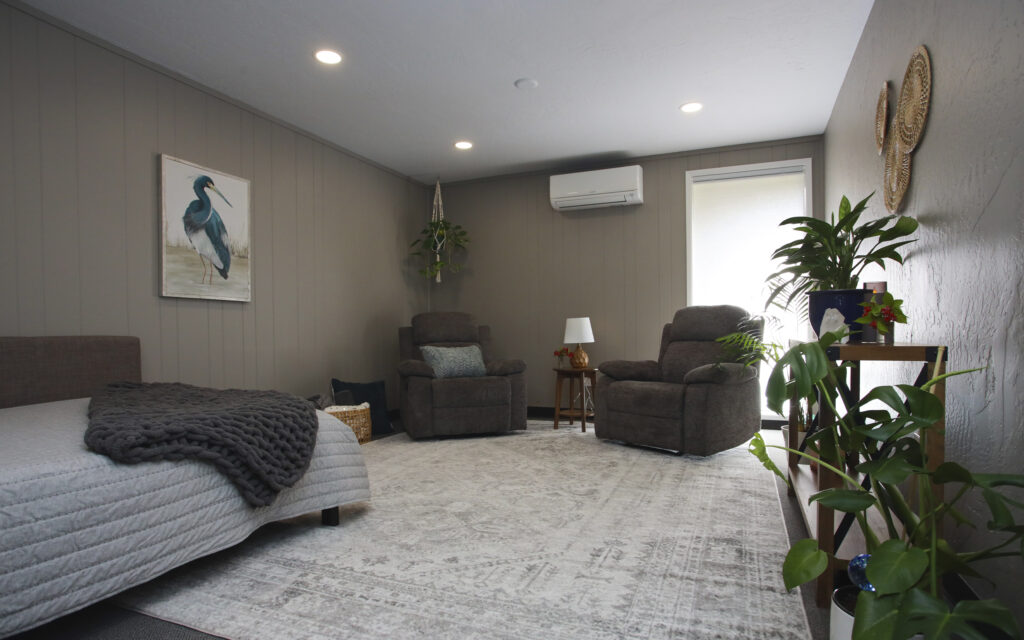
Omnia Group Ashland is noted in the article as the setting where Martha’s experience took place, with its facilities serving as the physical environment for this journey.
The investigation also highlights Oregon’s regulatory framework, which was designed to ensure safety, accountability, and structure in this emerging field. These guidelines continue to shape how licensed experiences are conducted and how participants are supported.