
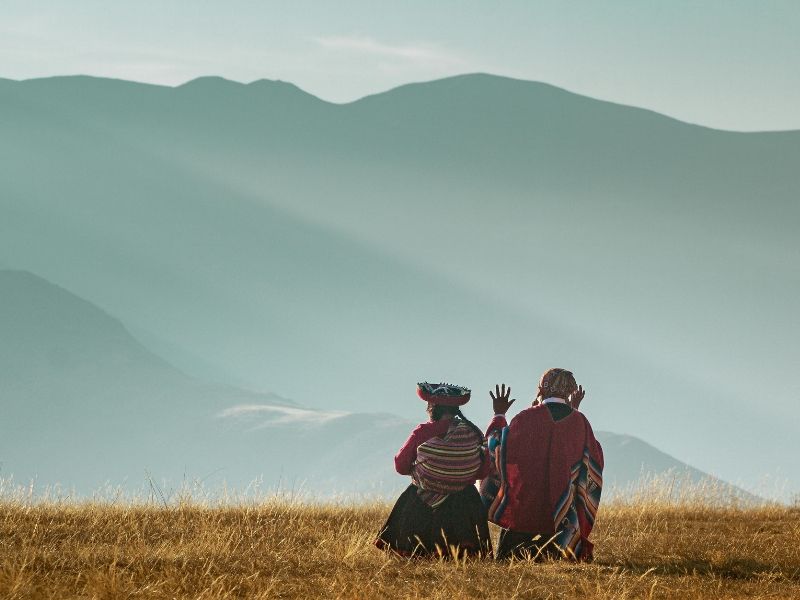
Long before clinical trials, brain scans, or state-regulated service centers brought psilocybin into modern headlines, sacred fungi were revered as profound plant medicine. For thousands of years, Indigenous communities across Mesoamerica—including the Mazatec, Zapotec, Mixtec, and Nahua peoples—developed sophisticated, holistic traditions around psilocybin mushrooms. Exploring the indigenous roots of mushroom medicine reveals that sacred mushroom healing was never conceived as a simple chemical fix for isolated symptoms; it was practiced as a sacred, community-centered ritual designed to restore balance between mind, body, spirit, and nature.
Understanding this deep heritage is essential for anyone seeking guided psilocybin care today, as it grounds modern therapeutic practices in humility, reciprocity, and respect.
Ancient Mesoamerican traditions and Teonanácatl
The historical record of psilocybin use stretches back centuries into pre-Columbian Mesoamerica. Archeological artifacts, such as Mayan “mushroom stones” dating back over two millennia, suggest that psychoactive fungi played a central role in spiritual life.
Teonanácatl: The flesh of the gods
In the Nahuatl language spoken by the Aztecs, sacred mushrooms were called Teonanácatl, most commonly translated as “flesh of the gods” or “divine mushroom.” Spanish chroniclers in the 16th century, such as Franciscan friar Bernardino de Sahagún, documented how Indigenous communities consumed Teonanácatl during sacred ceremonies, night gatherings, and healing rituals.
To these cultures, the mushroom was not a recreational substance or a mere drug; it was a living sacrament and a divine teacher capable of revealing the root causes of illness, imbalance, or community conflict.
Colonial suppression and survival underground
Following the Spanish conquest, Catholic authorities outlawed the use of sacred mushrooms, condemning the practices as idolatry. To protect their sacred traditions from destruction, Indigenous lineages moved their ceremonies underground. For over four centuries, curanderas and curanderos (Indigenous healers) preserved this ancestral knowledge in secret across remote mountain regions, particularly in the Sierra Mazateca of Oaxaca, Mexico.
Mazatec healing traditions and the Velada
At the heart of the indigenous roots of mushroom medicine lies the Mazatec practice of the velada—a nocturnal healing ceremony guided by a sabia (a wise woman or healer). In the Mazatec tradition, psilocybin mushrooms are affectionately referred to as niños santos (“little saints”) or los santitos.
The structure of a traditional Velada
Unlike modern clinical settings that often emphasize quiet introspection with eye masks, a traditional Mazatec velada is an active, communal, and deeply devotional experience:
- Nighttime setting: Ceremonies are held in complete darkness, lit only by a few candles, to reduce external visual distractions and heighten internal sensitivity.
- Sacred chanting and prayer: The healer guides the session through continuous chanting, singing, prayer, and rhythmic clapping. The music acts as a protective vehicle, steering participants through emotional turbulence.
- Diagnostic healing: The healer ingests the niños santos alongside the seeker to “read” their energy, diagnose spiritual or physical ailments, and petition divine forces for harmony.
María Sabina and Western discovery
In the mid-1950s, a Mazatec sabia named María Sabina allowed amateur mycologist R. Gordon Wasson to participate in a velada in Huautla de Jiménez, Mexico. Wasson’s 1957 article in LIFE magazine introduced psilocybin to the Western world, igniting the modern psychedelic movement.
Tragically, the resulting wave of Western tourists, sensationalism, and commercialization disrupted Huautla de Jiménez and caused immense hardship for María Sabina, serving as a lasting historical reminder of the dangers of extractive cultural exploitation.
Key principles of modern therapy inherited from Indigenous lineage
While modern Oregon service centers operate under state medical and safety frameworks, many core therapeutic concepts were directly inspired by ancestral practices.
Set and setting
The foundational psychedelic concept of “set” (mindset and internal preparation) and “setting” (the physical and emotional environment) originates directly from Indigenous ceremonial design. Indigenous healers recognized centuries ago that the mushroom amplifies its environment; therefore, establishing a safe, quiet, and intentional space is essential for healing.
The non-directive role of the guide
In Indigenous traditions, the healer does not “cure” the patient; rather, the sacred mushroom acts as the true teacher and healer, while the curandera serves as a supportive guardian and guide. This ancestral wisdom mirrors the modern “non-directive” model used by licensed facilitators, where guides support the client’s inner healing intelligence rather than imposing external interpretations.
You can also read: Who shaped modern psychedelic therapy?
Community and relational integration
Traditional mushroom medicine never separated individual healing from community wellness. Healing was viewed as relational—restoring harmony between the individual, their family, their ancestors, and the natural world. Modern integration practices reflect this lineage by emphasizing reconnecting with nature, building supportive relationships, and embodying values in daily life.
Practicing reverence and ethical honor in modern settings
As psilocybin becomes legalized and accessible in state-regulated service centers, honoring the indigenous roots of mushroom medicine requires ongoing ethical awareness.
- Cultural humility: Recognizing that modern Western science did not “discover” psilocybin but rather validated wisdom preserved by Indigenous practitioners for millennia.
Wikipedia - Reciprocity: Supporting Indigenous land stewardship, indigenous-led conservation funds, and sacred plant alliance initiatives that protect fungal biodiversity and cultural heritage.
- Trauma-informed respect: Ensuring that modern facilitation avoids superficial cultural appropriation while upholding the core principles of care, sacred intention, and deep human respect.
Frequently asked questions about Indigenous mushroom practices
What species of mushrooms were traditionally used in Mexico?
Indigenous curanderos used several species of the Psilocybe genus native to Mesoamerica, including Psilocybe mexicana, Psilocybe caerulescens (often used by the Mazatec), and Psilocybe zapotecorum.
How do traditional Veladas differ from modern Oregon sessions?
Traditional veladas are deeply spiritual, devotional, and often involve communal singing and prayer led by an Indigenous healer. Modern Oregon sessions are non-denominational, individualized, and designed to support personal psychological exploration using music, eye masks, and one-on-one facilitation within a quiet service center.
Why is it important to learn about Indigenous traditions before a session?
Understanding the cultural lineage helps participants approach psilocybin with reverence and respect rather than viewing it as a quick chemical fix. This respectful mindset fosters greater openness, humility, and emotional safety during a journey.
Honoring ancestral wisdom at Omnia Group Ashland
Honoring the indigenous roots of mushroom medicine means approaching every session with deep reverence, ethical care, and profound respect for the intelligence of human nature. By pairing ancestral insights on safety, setting, and intention with modern state regulation, guided sessions offer a safe bridge between ancient wisdom and contemporary care.
Experience safe & supported psilocybin therapy. Consult Omnia Group today.